


The Essence of Navratri and the Spiritual Meaning of Its Nine Days
Updated: Sep 12, 2025
Navratri is a vibrant festival celebrated across India, rich in devotional significance. It is a time for worship, dance, and cultural expression, dedicated to the goddess Maa Durga and her multiple forms. This nine-night festival symbolizes the victory of good over evil and invites devotees to immerse themselves in various rituals, prayers, and celebrations. In this blog post, we will explore the essence of Navratri, the significance of each day, and the cultural practices that make this festival a unique experience.
The Significance of Navratri
Navratri, meaning "nine nights," is celebrated in the Hindu month of Ashwin, usually between September and October. This festival honors Maa Durga, who embodies strength, purity, and compassion. During these nine nights, it is believed that the goddess descends to Earth to bless her devotees and banish negativity from their lives.
This festival fosters community and culture. According to a survey, participation in traditional dances such as Garba and Dandiya Raas can increase by over 40% during Navratri, as people come together to celebrate with music, food, and revelry.
Day 1: Shailputri
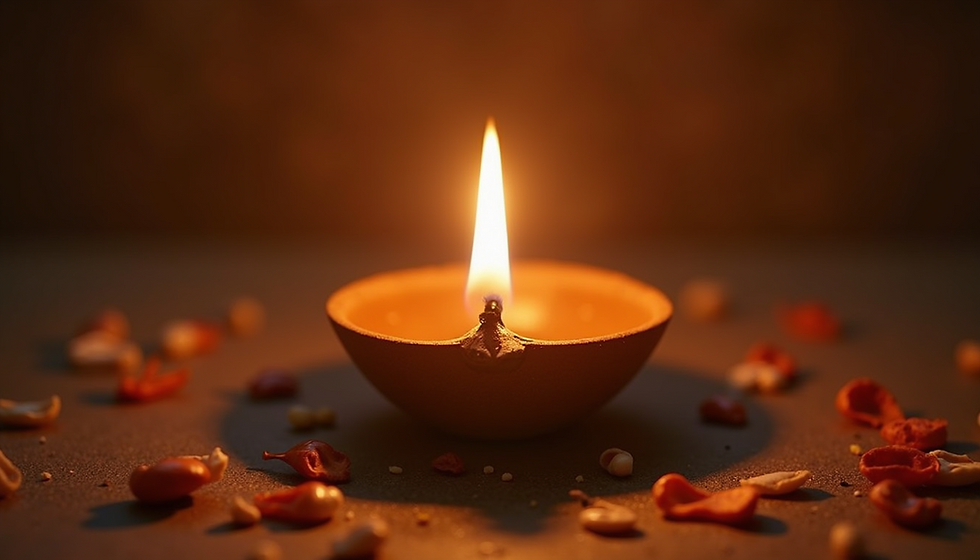
The first day of Navratri is dedicated to Shailputri, symbolizing the strength and resilience of women. She represents the physical and spiritual power inherent in all women. To honor her, devotees often light a lamp, offer prayers, and perform rituals aimed at seeking blessings for health and prosperity.
On the first day, many wear yellow, embodying joy and brightness. Given the significance of this color in Indian culture, almost 60% of attendees at community events can be seen embracing this vibrant hue, enhancing the festive atmosphere.
Day 2: Brahmacharini
The focus on the second day is Brahmacharini, the goddess who embodies wisdom and knowledge. Depicted as a young woman, she inspires devotees to pursue enlightenment and spiritual growth through meditation and chanting.
Many individuals engage in reflective practices, dedicating themselves to study or skill development. Whether it’s enrolling in a new course or starting a new hobby, Brahmacharini reminds us that discipline and dedication can lead to significant life changes.
Day 3: Chandraghanta
Chandraghanta, the goddess of bravery, is worshipped on the third day. Known for her fierce nature, she is often associated with strength in overcoming fear and challenges. Devotees pray to her for resilience, especially during tough times.
Celebrated with colorful processions and uplifting traditional dances like Garba, this day sees an increase in local dance participation, with communities reporting attendance that sometimes doubles from previous weeks.

Day 4: Kushmanda
Kushmanda, the goddess of energy and health, is worshipped on the fourth day. Recognized for supposedly creating the universe, she embodies vitality. Rituals on this day often include yoga and exercises promoting physical well-being, encouraging people to embrace a healthy lifestyle.
With community events such as health workshops or food festivals focusing on nutrition, participants often express gratitude for good health, leading to a shared sense of positivity.
Day 5: Skandamata
The focus on the fifth day is Skandamata, the mother of Lord Kartikeya. She embodies nurturing and parental love, inspiring devotees to pray for the well-being of their families. This day witnesses an increase in family gatherings for communal prayers and meals.
The feeling of togetherness and love is palpable, with families often sharing their meals with those in need, reflecting the true spirit of community.
Day 6: Katyayani
Katyayani, the warrior goddess, is venerated on the sixth day. Her strength and valor encourage individuals to confront their fears. Many women, in particular, draw inspiration from her to claim their power and assert themselves in various aspects of life.
Diverse community activities on this day reinforce the collective spirit of bravery, as participants engage in lively dances and performances that celebrate strength and empowerment.
Day 7: Kalaratri
The seventh day is marked by Kalaratri, Maa Durga's fearsome aspect. She represents the destruction of negativity and evil. Devotees intensify their prayers for safety and protection from harm, often participating in night vigils that foster a deep sense of connection to the goddess.
Rituals and prayers on this day remind individuals to reflect on their inner strength, encouraging them to overcome adversity.
Day 8: Mahagauri
On the eighth day, worship shifts to Mahagauri, the goddess of purity and peace. She symbolizes spiritual enlightenment and encourages individuals to seek inner clarity. Traditionally, devotees engage in meditation and self-reflection, often journaling about their spiritual journeys.
The serene atmosphere inspires many to adjust their lifestyles, fostering positive changes that can last far beyond the festival.
Day 9: Siddhidatri
The final day of Navratri is dedicated to Siddhidatri, the goddess who grants spiritual powers and accomplishments. On this day of culmination, devotees focus on their aspirations, praying for success in their endeavors.
The celebrations are grand, highlighted by music, dance, and communal feasting that creates a joyful environment. This day serves as a reminder of the abundance of blessings received throughout the nine days.

Embracing the Spirit of Navratri
Navratri transcends being just a festival; it is a celebration of life, strength, and spirituality. Each day offers profound insights, allowing devotees to connect deeply with their inner selves and the divine. The rituals and communal gatherings provide a sense of unity that many treasure.
As we anticipate Navratri 2025, let us embrace the festival's spirit. Whether through dance, prayer, or community service, may the essence of Maa Durga inspire us to cultivate strength, compassion, and resilience in our lives.


Comments